

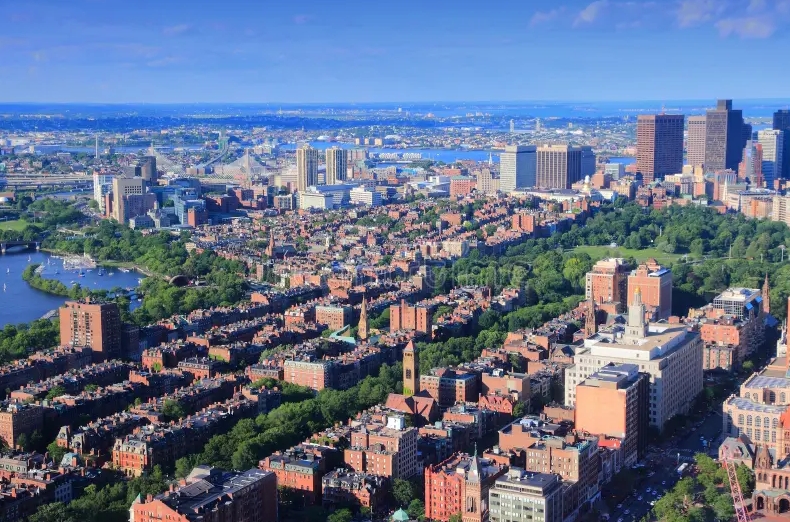

From Suffolk Downs to Cambridge Crossing, these large-scale developments could influence where companies lease space, where residents live, and where investors focus capital over the next decade.
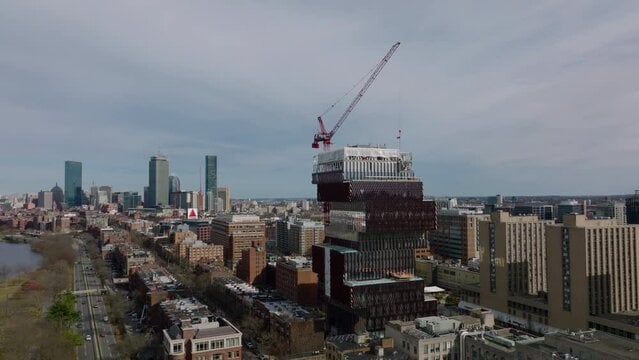
Greater Boston’s commercial real estate market is being shaped not only by today’s leasing activity and economic conditions, but also by a new generation of transformational development projects. These ambitious mixed-use districts are creating new opportunities for businesses, investors, and residents while helping redefine the region’s growth patterns.
From waterfront redevelopments and innovation hubs to transit-oriented neighborhoods, these projects have the potential to leave a lasting impact on Greater Boston’s commercial real estate landscape.
1. Suffolk Downs (East Boston & Revere)
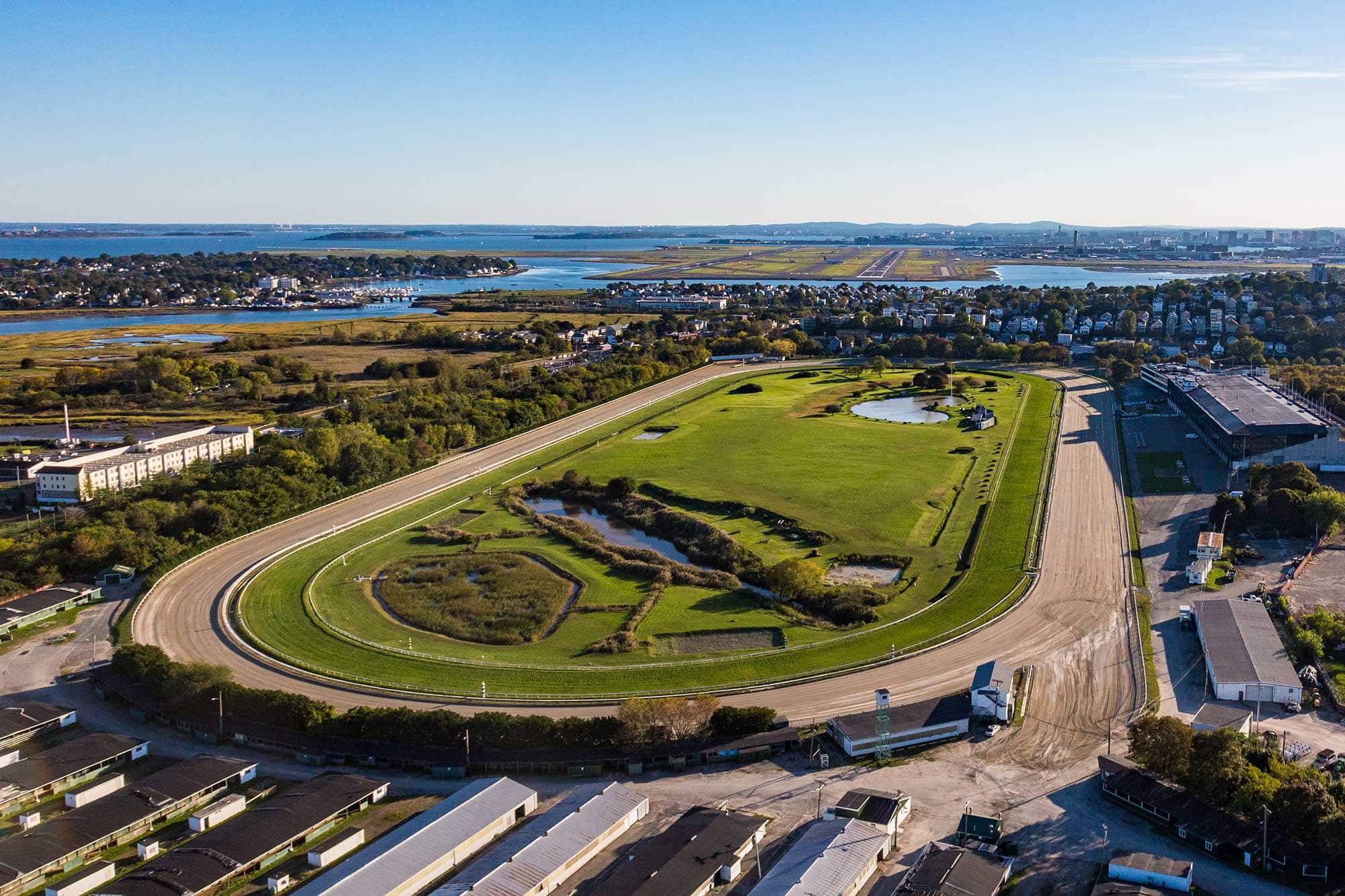
A look at the Suffolk Downs redevelopment project.
One of the largest redevelopment initiatives in New England, Suffolk Downs is transforming the former horse racing venue into a massive mixed-use district spanning approximately 10.5 million square feet.
- 10,000 residential units planned
- Office and life science space
- Retail and hospitality uses
- 40 acres of parks and open space
- Direct access to two MBTA Blue Line stations
Why It Matters: Suffolk Downs has the potential to create an entirely new economic center on Greater Boston’s eastern edge, attracting residents, businesses, and investment capital for decades to come.
2. Allston Yards (Allston)
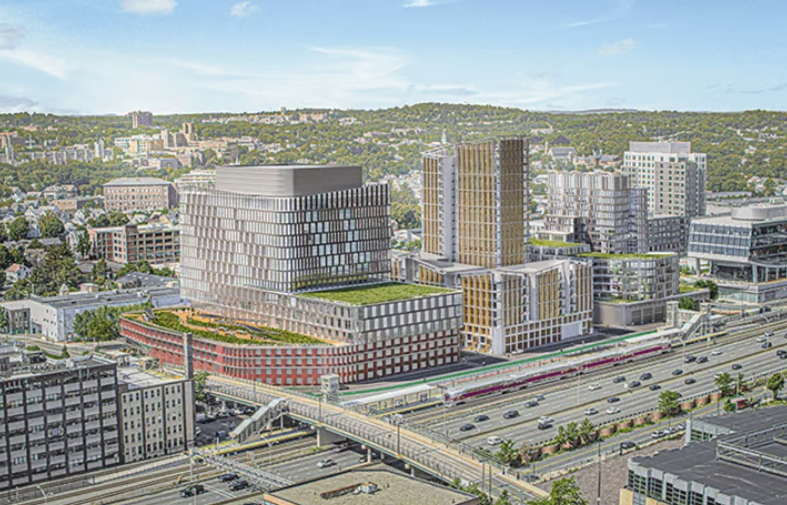
Rendering of Allston Yards’ future mixed-use district.
Located near Boston Landing and Harvard University’s expanding Allston campus, Allston Yards is helping transform a historically industrial area into one of Boston’s most exciting emerging neighborhoods.
- Approximately 1.4 million square feet
- New residential developments
- Office and laboratory space
- Retail and restaurant offerings
- Public gathering spaces and green areas
Why It Matters: As investment continues to pour into Allston, the neighborhood is becoming an increasingly attractive option for businesses seeking modern space outside traditional downtown locations.
3. Dorchester Bay City (Columbia Point)
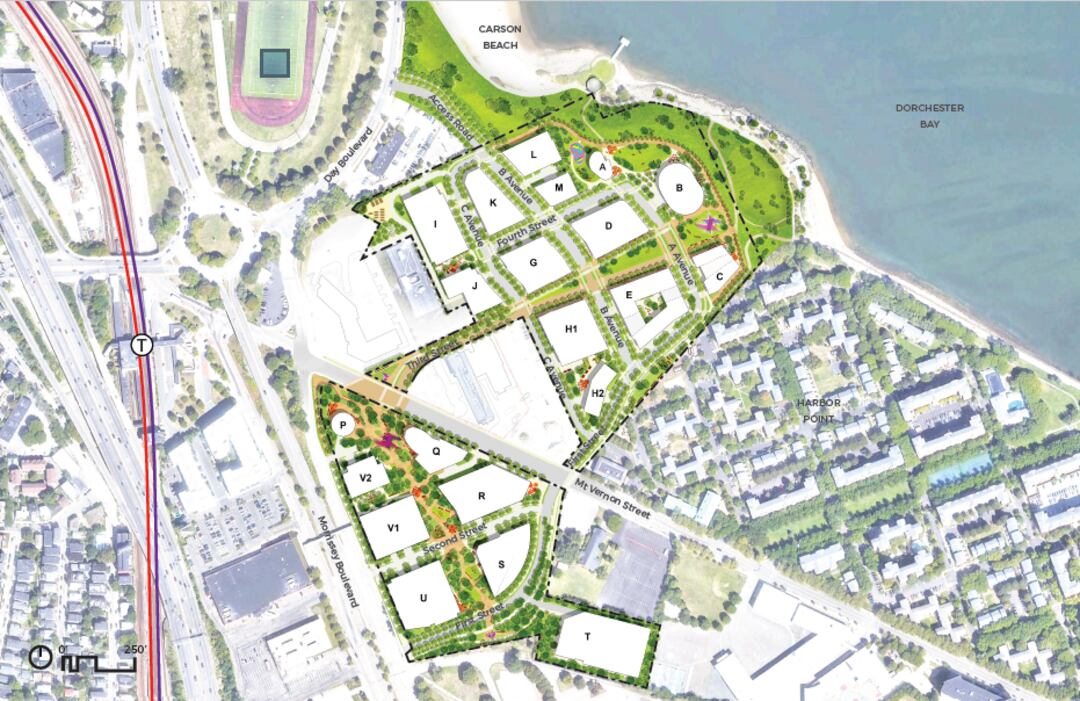
Concept rendering of the planned Dorchester Bay City development.
Dorchester Bay City is among the most ambitious proposed developments currently planned within Boston. Situated on Columbia Point, the project seeks to create a vibrant waterfront district combining residential, commercial, research, and recreational uses.
- More than 6 million square feet planned
- Residential housing
- Research and office space
- Retail and hospitality components
- Significant waterfront public space
Why It Matters: If completed as envisioned, Dorchester Bay City could become one of Boston’s most transformative waterfront projects and significantly increase investment activity in the area.
4. Cambridge Crossing (Cambridge/Somerville)
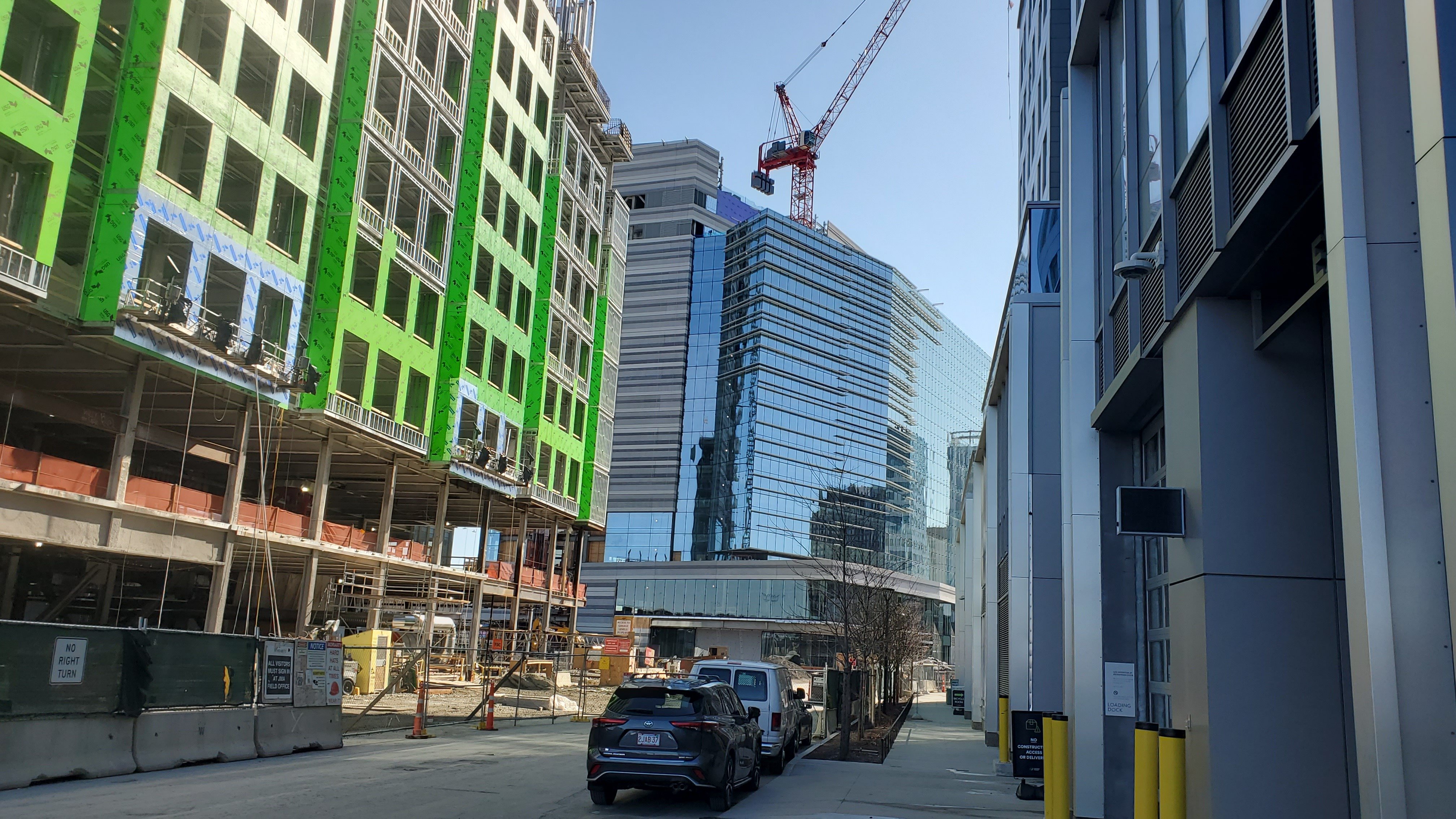
Cambridge Crossing has emerged as one of Greater Boston’s newest innovation districts.
Connecting Cambridge, Somerville, and Boston, Cambridge Crossing has rapidly become a premier destination for life science, technology, and innovation-focused companies.
- 43-acre mixed-use development
- Approximately 4.5 million square feet
- Life science and office facilities
- Residential and retail offerings
- 11 acres of parks and green space
Why It Matters: Cambridge Crossing expands the region’s innovation ecosystem beyond Kendall Square while providing modern facilities and transit-oriented accessibility.
5. Assembly Row (Somerville)
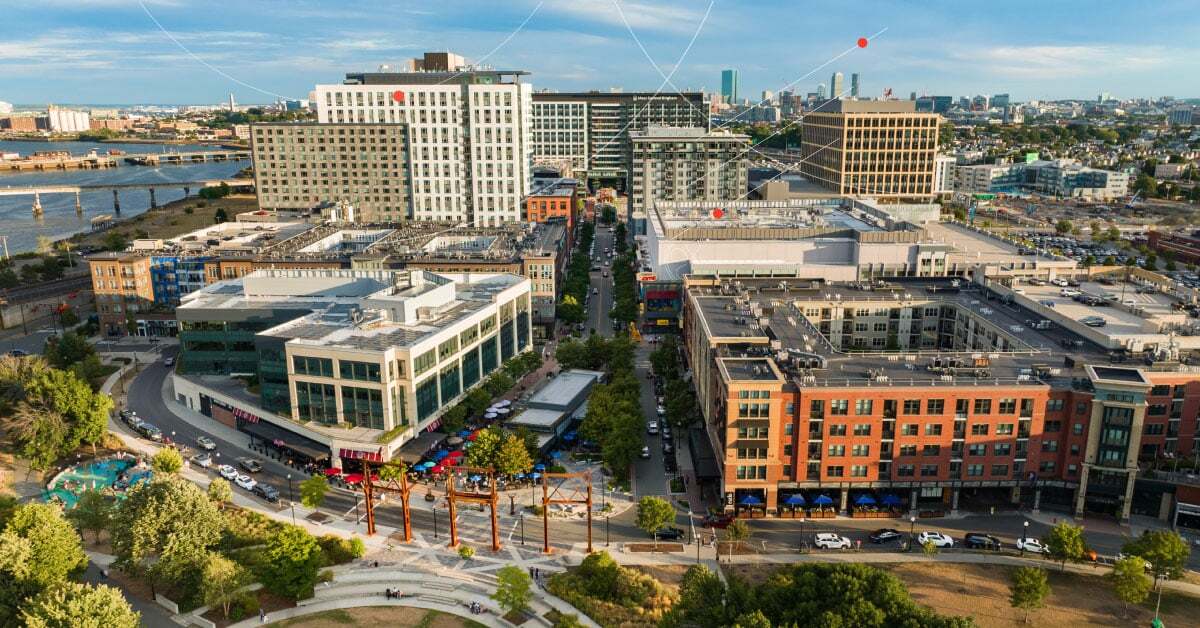
Assembly Row continues to serve as a model for mixed-use development in Greater Boston.
Once an industrial site, Assembly Row has evolved into one of the most successful mixed-use destinations in the Greater Boston area. The district continues to attract residents, retailers, employers, and visitors alike.
- Retail and entertainment destinations
- Office space
- Residential development
- Hotels and restaurants
- Direct MBTA Orange Line access
Why It Matters: Assembly Row demonstrates the power of transit-oriented development and continues to serve as a model for future mixed-use projects throughout the region.
Looking Ahead
While vacancy rates, rental trends, and leasing activity often dominate commercial real estate headlines, transformative developments frequently have the greatest long-term impact on local markets.
Projects like Suffolk Downs, Allston Yards, Dorchester Bay City, Cambridge Crossing, and Assembly Row are poised to influence where companies expand, where residents choose to live, and where investors identify opportunities throughout Greater Boston.
As these developments continue to progress, they will help shape the next chapter of growth across one of the nation’s most dynamic commercial real estate markets.