

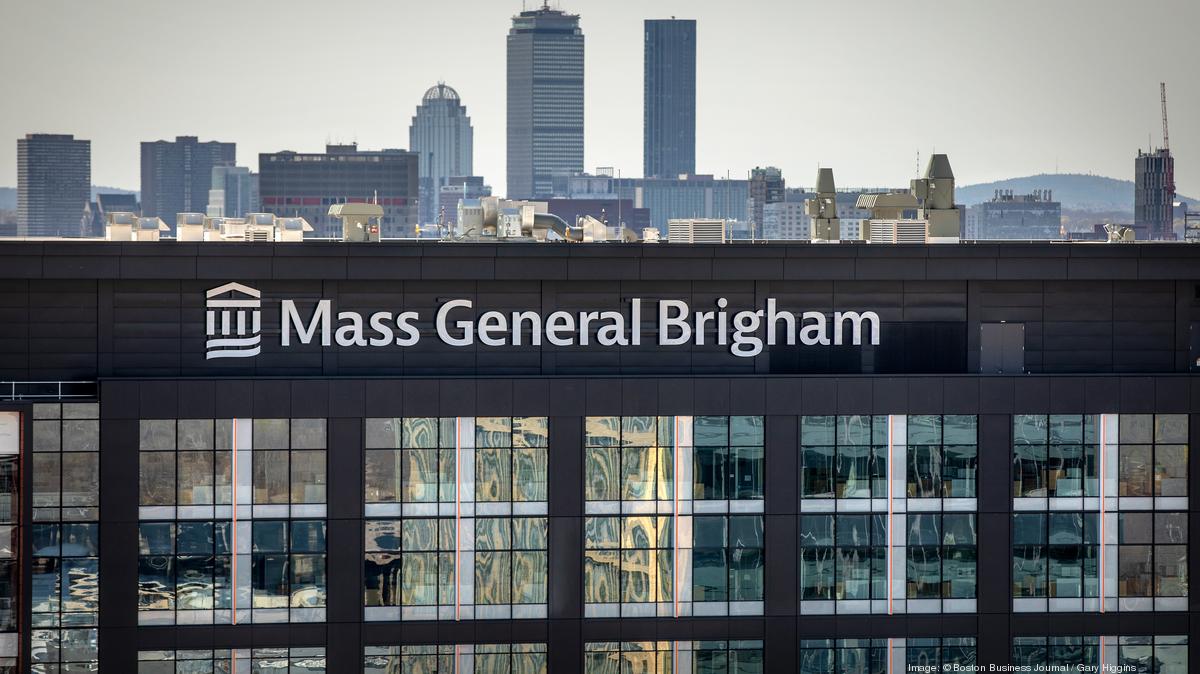

Mass General Brigham (MGB), the largest healthcare system in Massachusetts, has secured approximately $865.5 million in tax‑exempt bond financing to fund a major expansion and modernization of its hospital campuses in Boston and Jamaica Plain. The bonds, issued in late April 2026 by MassDevelopment, will support new construction, campus redevelopment, equipment purchases, and the refinancing of existing debt at a time when large healthcare systems are navigating rising construction costs and capital‑market volatility.¹
The financing centers on the construction of a new 482‑bed inpatient facility at 55 Fruit Street on the main Massachusetts General Hospital campus. Known as the Phillip and Susan Ragon Building, the two‑tower complex will primarily serve oncology and cardiovascular patients and represents one of the most significant acute‑care investments in the region in more than a decade.² Construction is already underway, with the building scheduled to open in phases between 2027 and 2030.³
According to MassDevelopment, the bonds were sold through a public offering led by J.P. Morgan Securities, underscoring continued investor confidence in not‑for‑profit healthcare credits backed by large, diversified systems.⁴ A portion of the proceeds will also be used to refinance outstanding Mass General Brigham obligations, allowing the organization to restructure debt incurred in earlier capital programs.⁵
Beyond the flagship MGH campus, the bond sale will fund a substantial redevelopment of Brigham and Women’s Faulkner Hospital in Jamaica Plain. Plans include a five‑story vertical expansion, upgrades to clinical space, major equipment purchases, and improvements to parking infrastructure intended to enhance patient access and operational efficiency.⁶ The Faulkner project is expected to play a key role in relieving capacity constraints elsewhere in the system while maintaining neighborhood‑based care options.
State and local officials framed the financing as a strategic investment in Massachusetts’ healthcare infrastructure. Eric Paley, Secretary of Economic Development and chair of MassDevelopment’s board, said the transaction highlights the Commonwealth’s reliance on world‑class medical institutions as anchor employers and innovation drivers.⁷ Boston Mayor Michelle Wu echoed that sentiment in separate remarks, emphasizing the role of hospital expansion in supporting jobs, research, and access to specialized care.⁸
While the bond issuance totals $866 million, it represents only part of a broader capital plan. The Ragon Building alone carries an estimated total cost of nearly $2 billion, with Mass General Brigham supplementing borrowed funds through substantial philanthropy. Major gifts include $200 million from Phillip and Susan Ragon, $100 million each from Herb Chambers and the New Balance Foundation, and additional contributions from regional and national donors.⁹ Hospital leadership has said the blend of philanthropy and low‑cost, tax‑exempt debt is essential to advancing large‑scale clinical projects without undermining long‑term financial stability.
The expansion comes as Mass General Brigham continues to redefine its cancer and cardiovascular care strategy following the 2023 conclusion of its long‑running clinical partnership with Dana‑Farber Cancer Institute.¹⁰ The new Fruit Street complex is intended to consolidate key services and reinforce MGB’s position as a leader in complex adult inpatient care.
From a capital‑markets perspective, the successful bond sale signals sustained appetite for healthcare infrastructure despite higher interest rates. Analysts covering the transaction noted that large urban academic medical centers with diversified revenue streams remain among the most financeable asset classes in the tax‑exempt market.¹¹ For investors, the deal offers stable, long‑duration exposure tied to essential services, while for Mass General Brigham it provides funding certainty as construction progresses.
As demolition, foundation, and early structural work advance at 55 Fruit Street, attention will increasingly shift to execution risks, including labor availability, material pricing, and coordination across active hospital campuses. Nevertheless, with financing secured and construction underway, Mass General Brigham’s leadership has characterized the bond issuance as a cornerstone of its next generation of patient‑care infrastructure—one that will shape clinical delivery in Boston for decades to come.¹²
- MassDevelopment, “MassDevelopment Issues $866 Million in Bonds to Support Mass General Brigham Expansion,” April 23, 2026. [bostonreal…etimes.com]
- Boston Real Estate Times, “MassDevelopment Issues $866 Million in Bonds to Support Mass General Brigham Expansion,” April 23, 2026. [bostonreal…etimes.com]
- New England Council, “Mass General Brigham Secures $865.5 Million for New Patient Care Complex,” May 5, 2026. [newengland…ouncil.com]
- CRE MarketBeat, “MassDevelopment Issues $865M in Bonds for Mass General Brigham Boston Expansion,” April 24, 2026. [cremarketbeat.com]
- High‑Profile Monthly, “$866M in Bonds Issued for Mass General Brigham Projects,” April 29, 2026. [high-profile.com]
- Connect CRE, “$866M in Bonds Help Fund Mass General Brigham Expansion,” April 24, 2026. [connectcre.com]
- Boston Real Estate Times, April 23, 2026. [bostonreal…etimes.com]
- Traded Media, “Mass General Brigham Secures $865M Financing for Major Boston Hospital Expansion,” April 24, 2026. [traded.co]
- New England Council, May 5, 2026. [newengland…ouncil.com]
- Boston Cambridge Biotech Networks, “Mass General Brigham Secures $865.5M for Cancer, Cardiovascular Complex,” April 24, 2026. [bcbn.org]
- CRE MarketBeat, April 24, 2026. [cremarketbeat.com]
- High‑Profile Monthly, April 29, 2026. [high-profile.com]