


Greater Boston Commercial Real Estate
Cambridge Office Tower Sells for $1 as Greater Boston Office Market Continues to Adjust
The transfer of 40 Thorndike Street, a major adaptive reuse project in East Cambridge, highlights the changing financial and leasing environment facing Greater Boston office properties.
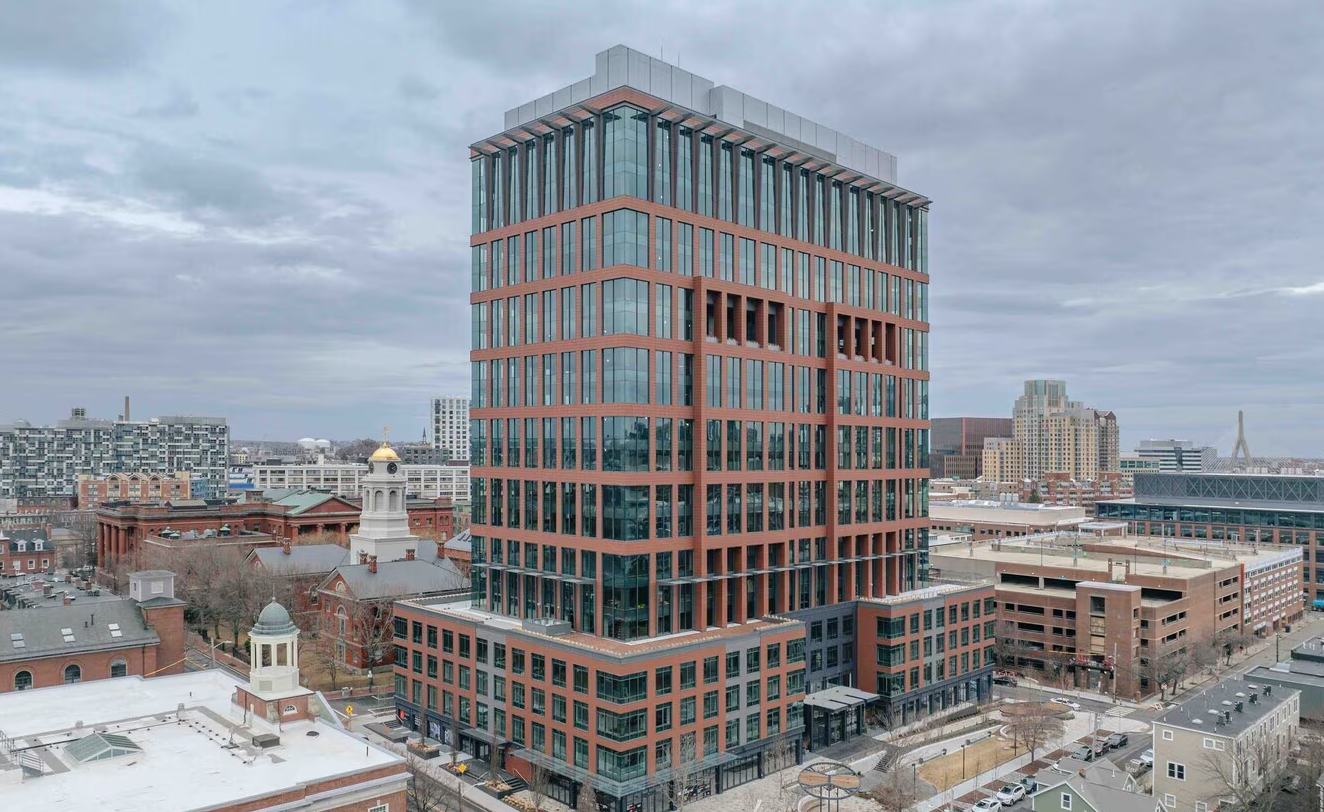
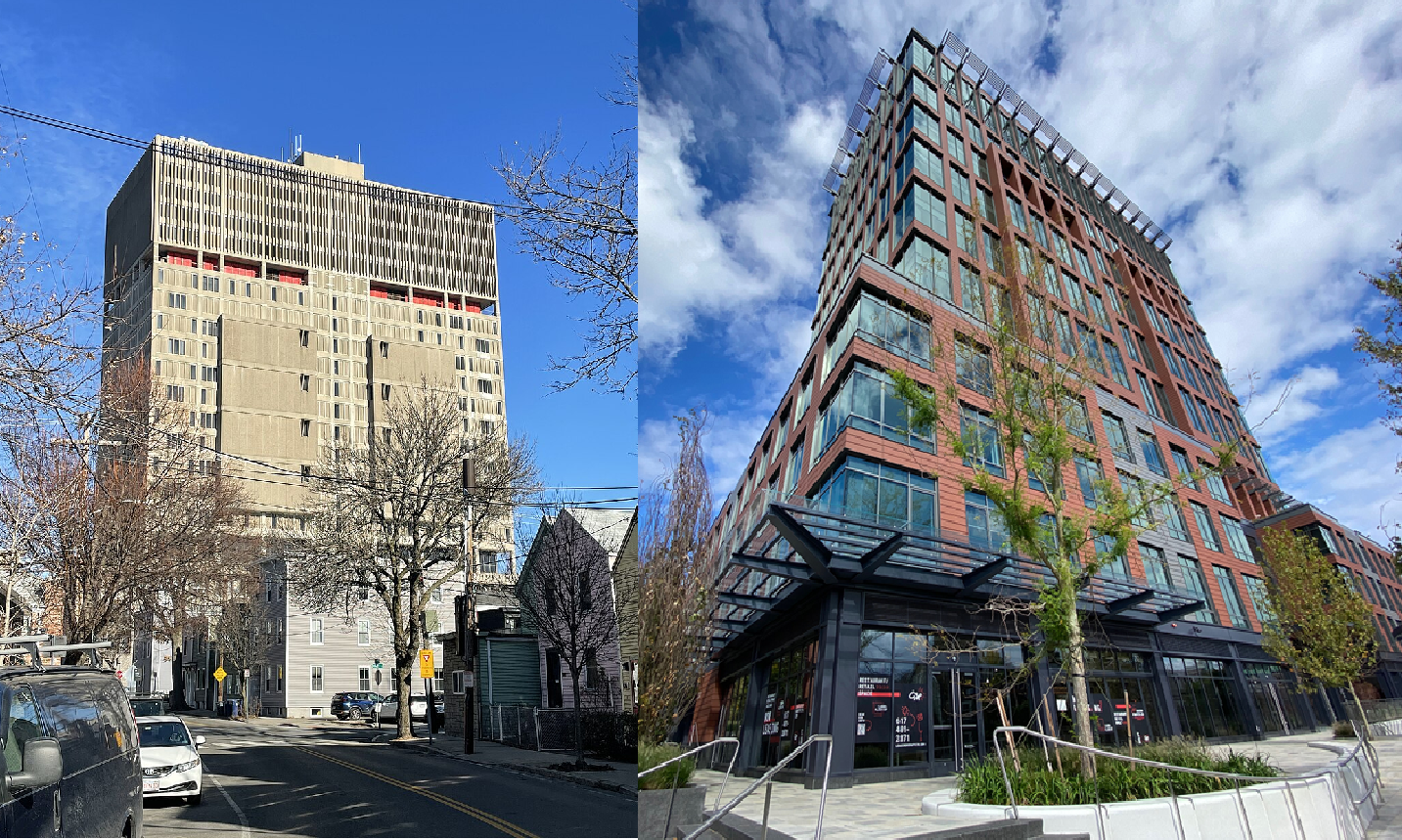
A newly redeveloped office tower in East Cambridge has changed hands in a striking transaction that highlights the challenges still facing the Greater Boston commercial real estate market.
The property at 40 Thorndike Street, a 20-story former courthouse and jail that underwent an extensive redevelopment, was sold by Leggat McCall Properties to Brookfield for a reported $1, along with the assumption of nearly $232 million in outstanding construction debt.
The unusual transaction comes after the building’s large Class A office component remained without tenants following the property’s opening in 2024, offering another example of how dramatically the region’s office and life science real estate landscape has shifted in recent years.
The Evolution of 40 Thorndike Street
From Courthouse to Class A Office Space
Located in East Cambridge near Kendall Square, 40 Thorndike has a long and complicated history.
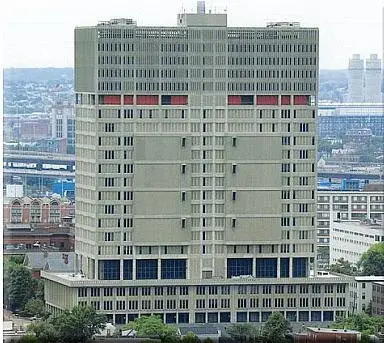
The building formerly housed the Edward J. Sullivan Courthouse and Middlesex Jail before closing in 2008. Leggat McCall Properties eventually pursued an ambitious adaptive reuse of the aging government complex, navigating years of permitting and legal challenges before beginning construction in 2021.
The redevelopment transformed the former courthouse tower into a modern mixed-use property featuring a substantial Class A office component, approximately 11,000 square feet of street-level retail space and 48 affordable apartment units.
Construction was backed by approximately $302 million in financing from Bank OZK.
The project was completed and opened in 2024, but its timing coincided with one of the most difficult office leasing environments Greater Boston has experienced in decades. While the property’s affordable residential units attracted occupants, the office component struggled to secure tenants.
A $1 Sale With Significant Debt
In July 2026, Leggat McCall transferred the property to Brookfield for a nominal purchase price of $1, with the transaction also involving nearly $232 million in outstanding construction debt.
Although the $1 sale price has attracted significant attention, the transaction is more accurately viewed as a distressed transfer of a heavily leveraged commercial property rather than a traditional $1 real estate acquisition.
The property’s original construction financing reportedly totaled approximately $302 million. Bank OZK later recorded a $72.4 million write-off associated with the project as financial pressure surrounding the property increased.
The significance of the transaction goes beyond the $1 sale price. The transfer demonstrates how debt, development costs and a property’s financial basis can shape investment decisions as the Greater Boston office market adjusts to new leasing conditions.
For Brookfield, the transaction provides an opportunity to take control of a newly redeveloped Class A property at a significantly reset financial basis.
That lower basis could ultimately give the new ownership greater flexibility when competing for tenants, including the ability to structure rents and leasing incentives differently than an owner carrying the project’s original development costs.
A Reflection of Greater Boston’s Changing Office Market
The challenges at 40 Thorndike are particularly notable because of the property’s location.
East Cambridge and neighboring Kendall Square have historically ranked among the country’s most competitive markets for technology, biotechnology and life science companies. During the region’s rapid life science expansion, newly constructed office and laboratory properties in and around Kendall Square regularly attracted significant tenant demand.
That environment has changed.
The combination of hybrid work, slower hiring, reduced venture capital activity and a pullback in biotechnology expansion has weakened demand for both traditional office and life science space throughout Greater Boston.
Even high-quality properties in traditionally strong locations are now competing within a market where tenants have considerably more options.
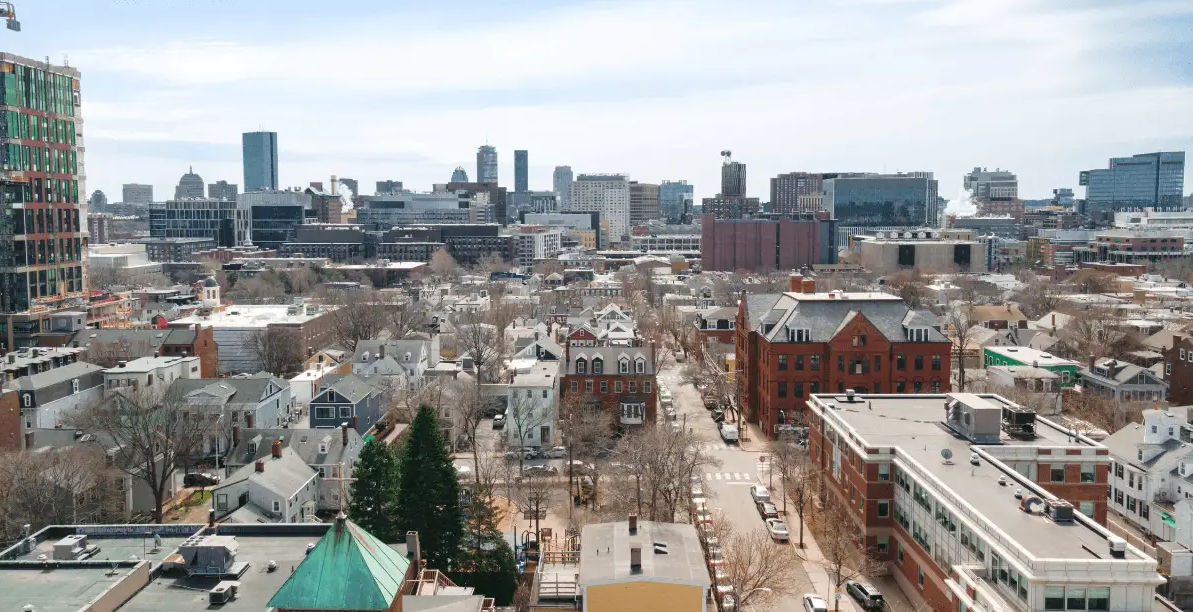
Recent data, however, suggests that conditions may be beginning to stabilize. Cambridge’s office vacancy rate reportedly declined to 23.6%, down from approximately 25% a year earlier. At the same time, nearly 16 million square feet of office space remains available across Greater Boston, meaning competition for tenants remains significant.
The result is an increasingly divided market in which location and building quality remain important but may no longer be enough on their own to guarantee successful lease-up.
What the Sale Could Mean for 40 Thorndike
Brookfield’s acquisition gives 40 Thorndike a new opportunity to compete for tenants under a different ownership and capital structure.
The property itself retains many of the characteristics typically associated with competitive Class A real estate: a location near Kendall Square, newly redeveloped space and access to one of Greater Boston’s most important employment and innovation centers.
Brookfield has indicated that it sees long-term value in the property’s design and East Cambridge location. The question now is whether a lower financial basis and new ownership strategy can translate those advantages into leasing activity.
For prospective tenants, current market conditions may also create opportunities to secure high-quality space under terms that would have been difficult to obtain during the peak of Greater Boston’s office and life science expansion.
A High-Profile Example of a Broader Market Reset
The 40 Thorndike transaction illustrates a larger adjustment underway across commercial real estate.
Properties developed or financed under pre-pandemic assumptions are increasingly being evaluated against today’s leasing environment, interest rates and tenant demand. In some cases, that process is resulting in loan restructurings, write-downs and property sales that reset valuations well below previous expectations.
For Greater Boston, the adjustment does not necessarily mean that well-located office properties have lost their long-term value. Instead, transactions such as 40 Thorndike demonstrate the growing importance of an asset’s cost basis, financing structure and ability to compete aggressively for a smaller pool of active tenants.
The next chapter for 40 Thorndike will depend largely on whether new ownership can successfully translate the property’s East Cambridge location and newly redeveloped space into leasing activity.
Whatever the outcome, the property’s journey from a former courthouse to a major redevelopment—and now a high-profile distressed transfer—offers a clear example of how quickly commercial real estate conditions can change.
As the Greater Boston office market continues to evolve, property owners, investors and tenants will be watching transactions like 40 Thorndike closely for signs of where valuations, leasing activity and investment opportunities may be headed next.
Explore the Greater Boston Office Market
Stay informed on the latest trends, activity and insights shaping commercial real estate across Greater Boston.
View the Latest Office Market Report